Effective Pest Management Strategies: Maintain Your Home Pest-Free All Year
Preserving a pest-free home necessitates a deliberate plan. Common pests enter for various reasons, such as food sources and shelter. Effective preventative measures have a vital function in holding these unwanted visitors at bay. Quick responses to pest emergencies can prove a notable effect. Understanding the balance between homemade solutions and commercial pesticides is fundamental. Yet, many residents overlook the nuances of ongoing care and inspection. What steps can be executed to assure long-term performance?
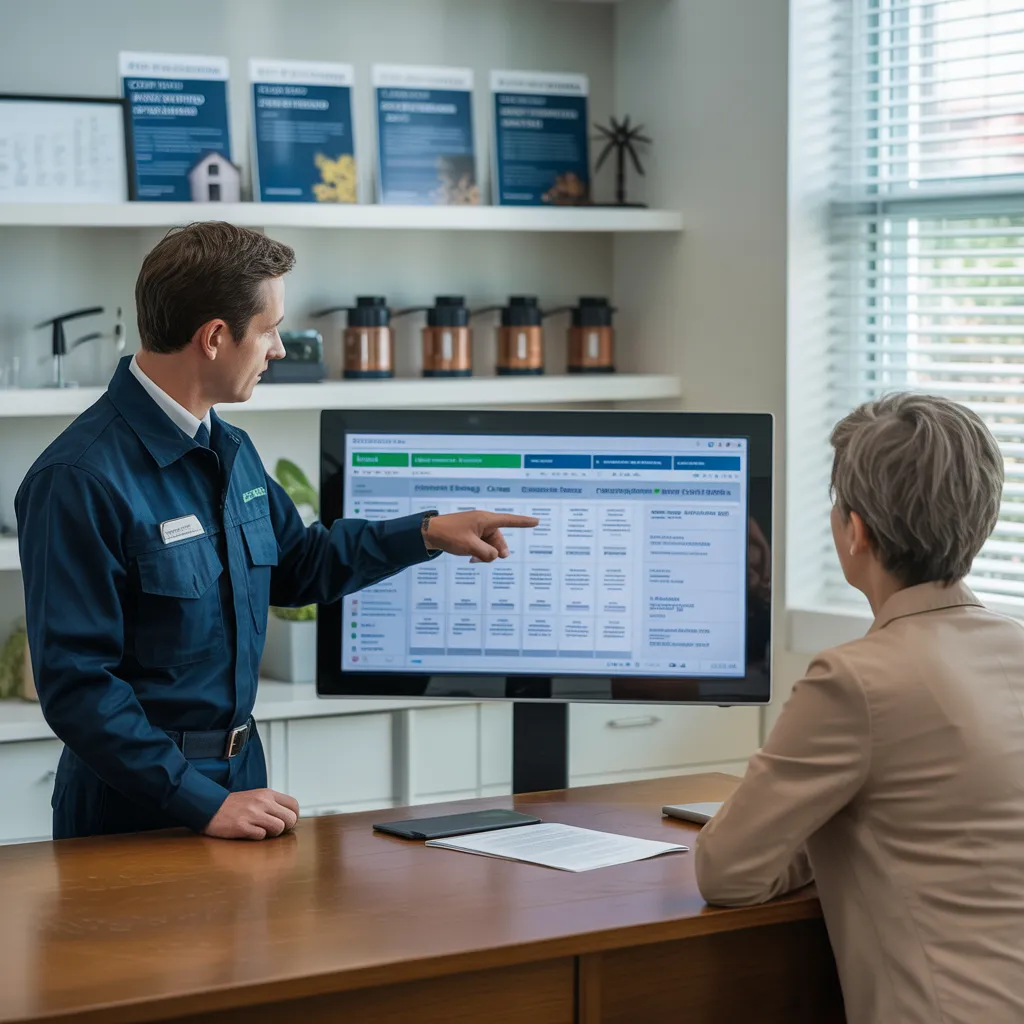
What Pests Are Prevalent and Why They Enter Your Home?
What urges pests to breach homes? Assorted factors allure common pests, including rodents, ants, and cockroaches. Food sources, such as crumbs and spills, constitute considerable lures, providing easy access to sustenance. Additionally, moisture is a critical factor, with damp areas in kitchens and bathrooms creating favorable conditions for infestations.
Shelter maintains a core place; insects pinpoint breaks and disarrayed spaces to establish homes and protect themselves from predators. Environmental changes can worsen these infestations, particularly during cold periods when pests look for heat.
Particular terrains, like gardens and overgrown vegetation, can further attract pests, offering both food and shelter. Grasping these reasons helps homeowners understand the importance of maintaining a neat, dry, and well-sealed environment to discourage unwanted guests. By tackling these issues, the likelihood of pest invasions can be considerably reduced.
Proven Preventive Steps to Keep Pests Away
To effectively keep pests at bay, people should focus on closing access routes, maintaining a clean environment, and conducting regular inspections. These proactive measures establish defenses that discourage insects from entering homes and create an unwelcoming environment. Applying these methods can greatly reduce the probability of pest problems.
Obstruct Entry Points
Sealing openings is an vital step in effective pest control because it considerably lessens the chance of infestations. Pests frequently enter houses through minor cracks and fissures in walls, windows, and doors. Homeowners must carry out a comprehensive inspection to spot vulnerable spots such as utility lines, vents, and foundation cracks. Employing materials such as caulk, weather stripping, and mesh screens can effectively block these entry points. Regular maintenance is crucial since wear and tear may create new openings. By adopting proactive measures to seal entry points, homeowners can significantly reduce the risk of pests penetrating their living spaces, promoting a healthier and comfortable environment.
Maintain a clean environment
A clean environment acts as a formidable barrier from pests, significantly decreasing the likelihood of infestations. Regular cleaning practices, such as vacuuming and dusting, remove food particles and potential nesting sites, making homes less attractive to insects and rodents. Correct garbage disposal is essential; storing garbage in closed bins stops pests from being attracted to odors. Additionally, cleaning spills and crumbs promptly deters pests from establishing a presence. Care should also be given to exterior spaces; maintaining gardens and yards, such as trimming overgrown plants, can deter pests from entering the home. By fostering a perpetually tidy environment, homeowners can notably enhance their pest prevention efforts, creating a less hospitable atmosphere for unwanted intruders throughout the year.
Regular Assessments Obligatory
While maintaining a tidy environment is crucial, regular inspections are just as vital in preventing pest infestations. Homeowners should perform comprehensive checks of both indoor and exterior spaces, focusing on common problem areas such as basements, attics, and around windows and doors. These inspections assist identify early signs of pest activity, such as droppings or damaged materials. Furthermore, seasonal inspections can uncover vulnerabilities created by changing weather conditions, allowing for timely interventions. Engaging professional pest control services for extensive evaluations can additionally enhance prevention efforts. By prioritizing regular inspections, individuals can protect their homes and guarantee a proactive approach to pest management, greatly reducing the likelihood of an infestation occurring.
Techniques for Handling Quickly Pest Situations
For pest emergencies, rapid identification of the invading organism is essential for efficient management. Determining the species present enables the use of focused control strategies. Speedy intervention not only reduces damage but also prevents further pest problems.
Identify The Pest Quickly
How can homeowners properly respond to insect problems? The first step is rapidly determining the pest. Identifying the specific pest type helps targeted action and avoids further infestation. Homeowners should examine key features such as size, color, and behavior, while noting the pest's location. Making use of online sites or pest ID apps can aid this process. Also, keeping a pest journal assists in tracking sightings and patterns, making it easier to identify repeated issues. When uncertain, consulting a pest control expert can provide clarity and expert advice. Quick identification not only supports immediate response but also informs long-term prevention plans, ensuring a pest-free environment year-round.
Put into Place Prompt Control Tactics
Responding promptly is vital when a pest emergency arises. Immediate control measures can considerably reduce damage and lower health risks. First, inspect the situation to determine the type of pest and infestation level. This evaluation guides the choice of suitable treatment methods. For insects like ants or cockroaches, traps or insecticides can be deployed swiftly. In situations with larger pests such as rodents, sealing entry points and setting traps is necessary. It’s vital to maintain find this resource safety by using protective gear when handling chemicals. If the infestation is severe, calling a professional pest control service is advisable. Quick response not only tackles the immediate danger but also prevents pests from becoming a recurrent problem.
Selecting Between Natural Remedies and Chemical Treatments for Pest Management
When it comes to pest control, should homeowners lean towards natural remedies or chemical treatments? This decision often depends on personal preferences, effectiveness, and environmental concerns. Natural remedies, such as diatomaceous earth, essential oils, and vinegar solutions, appeal to those seeking eco-friendly options. They tend to be less harmful for children and pets, but may require more frequent applications and can be less potent of chemical solutions.
Alternatively, chemical options, including insecticides and rodent control products, often result in rapid and strong effects. However, they carry health risks and may cause pests to develop resistance over time. Homeowners need to weigh the advantages and disadvantages of each approach, noting factors such as the severity of the infestation, the presence of vulnerable individuals in the home, and long-term sustainability. Ultimately, a thoughtful plan that combines both methods may achieve the best results for maintaining a pest-free environment.
When Ought To You Contact a Pest Management Professional?
Deciding the appropriate moment to contact a pest control specialist can substantially impact the effectiveness of pest management efforts. Homeowners should think about contacting a specialist when they detect signs of an infestation that goes beyond their capability to manage, such as a substantial presence of rodents or pests. Furthermore, if DIY methods don't yield positive outcomes after a reasonable time period, it may be wise to obtain expert services.
An extra critical element is the possible health risks linked to specific pests. For instance, termites can create structural damage, while cockroaches may provoke allergies or asthma. Furthermore, if pests are spotted in sensitive areas like kitchens or bedrooms, professional intervention is recommended. Finally, if the pest problem is persistent or repetitive, an expert can provide an comprehensive assessment, ensuring a long-term solution rather than short-term relief. Identifying these scenarios promptly can result in a more efficient and effective pest control strategy.
Annual Advice for Maintaining a Pest-Free Home
Upon grasping when to engage experienced pest management help, homeowners can adopt protective actions to support a pest-resistant home throughout the year. Periodic evaluations are paramount; checking for signs of infestations, such as droppings or nests, can help catch setbacks at the start. Seal any cracks or gaps in interior and exterior surfaces to eliminate undesired pests from accessing. Preserving hygiene is essential; rapidly cleaning food remnants and storing food in airtight containers can deter bugs and vermin.
Seasonal chores also matter. In spring, homeowners should remove debris from yards and prune dense bushes. In fall, ensuring gutters are clean and downspouts direct water away from the foundation can reduce dampness, which attract pests. Finally, utilizing natural deterrents, such as essential oils or diatomaceous earth, can offer a strong, eco-friendly approach to pest management. By applying these methods, homeowners can significantly lower their risk of infestations year-round.
Frequently Asked Questions
In What Ways Do Seasonal Shifts Change Pest Activity Indoors?
Weather changes considerably impact indoor pest activity. Warmer temperatures may enhance insect reproduction, while humidity can support infestations. Conversely, colder conditions often compel pests indoors, seeking shelter and food, thereby worsening indoor pest problems.
Do Animals Pull in Pests Into Your Home?
Pets may definitely bring pests into your home. Their fur, food, and waste frequently function as draws for fleas, ticks, and rodents, heightening the probability of infestations if not properly managed and prevented.
In What Way Does Landscaping Influence Pest Control?
Landscaping serves a critical function in pest control by affecting the conditions pests need to thrive. Proper plant selection, regular maintenance, and strategic placement can keep pests away, eliminate pest hiding spots, and support natural predators, ultimately establishing a more balanced ecosystem.
Are There Specific Times of Year When Pests Are More Active?
Pests are typically more mobile during warm seasons, chiefly spring and summer, when temperatures increase and food sources are ample. Fall may demonstrate elevated pest presence as species ready themselves for winter, obtaining shelter and sustenance.
How Can I Identify the Source of a Unwanted Pest Problem?
To identify the origin of a pest problem, it is necessary to inspect all potential entry points, examine food storage areas, and check for signs of infestation, like droppings or nests, to pinpoint the root of the infestation.